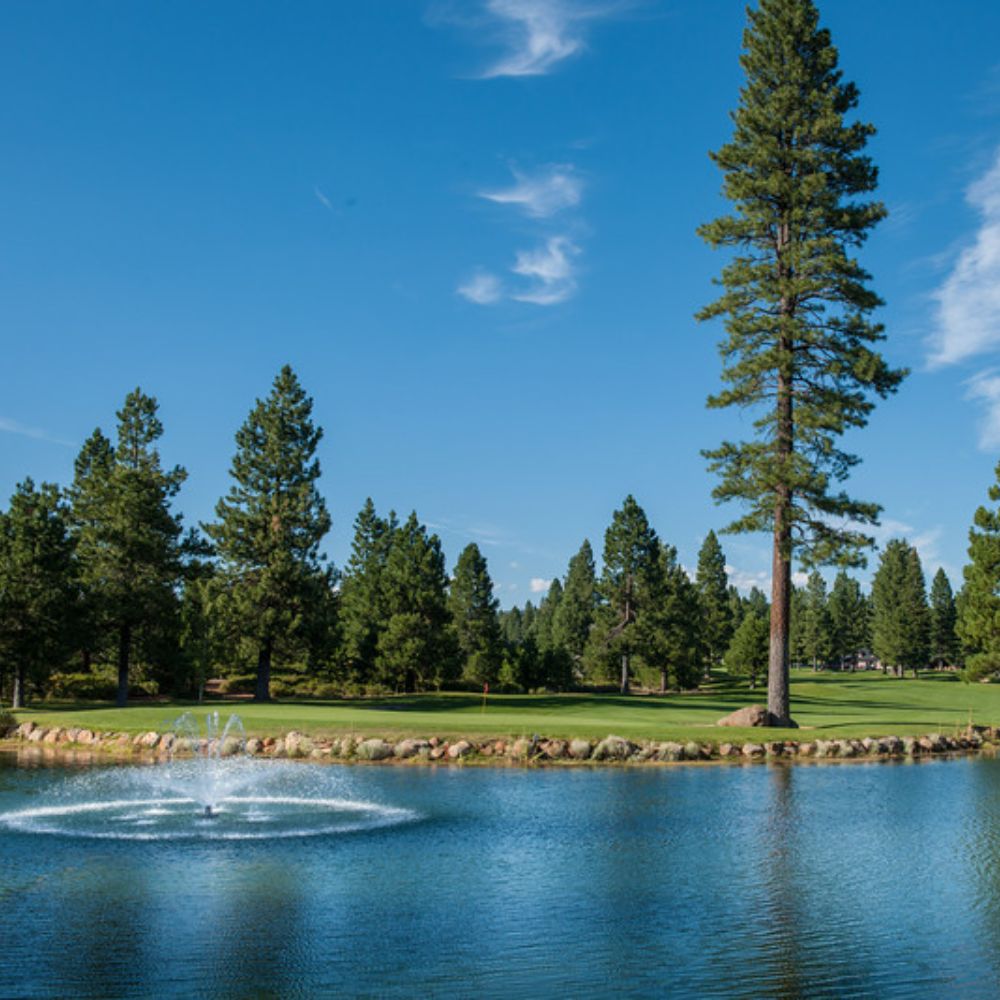
BAILEY CREEK GOLF COURSE

The History of Bailey Creek

A tradition of golf, family and community on the shores of Lake Almanor.

The Developers

Dennis and Susy Durkin purchased the 550-acre parcel in 1991 and were convinced they could build a first-class recreational community – complete with a championship 18-hole golf course, swimming & tennis facility and guest accommodations. Their vision was for Bailey Creek Golf Course to be a daily fee facility where you receive “country club” treatment. The Durkin familiy set out to make Bailey Creek a place where you could relax in a unique, comfortable setting and enjoy the crisp mountain air while experiencing the highest quality customer service. This combination makes Bailey Creek an experience like no other.

1000036959
1000036958
Mom (511)
1000036951
1000036954
1000036950
1000036953
DSC0963 L1

Our Greatest Asset

Homer Flint, the architect behind Bailey Creek, built a career grounded in experience, creativity, and a strong feel for the land. His résumé opened the door, though his personality and vision secured the job with the Durkin family.

Flint’s work spans more than 50 courses, with notable involvement at Mauna Kea Golf Course, Mauna Lani Golf Course, Kapalua Resort, The Phoenician Golf Club, along with respected Northern California layouts such as Northstar Golf Course, Plumas Pines Golf Resort, and Lake Almanor West Golf Course. His portfolio reflects a wide range of environments, from oceanfront settings to mountain terrain.

Early in his career, Flint worked alongside Robert Trent Jones Sr. in the late 1950s. That foundation shows in his approach, with a focus on strategic shot values, natural shaping, and playability across skill levels.

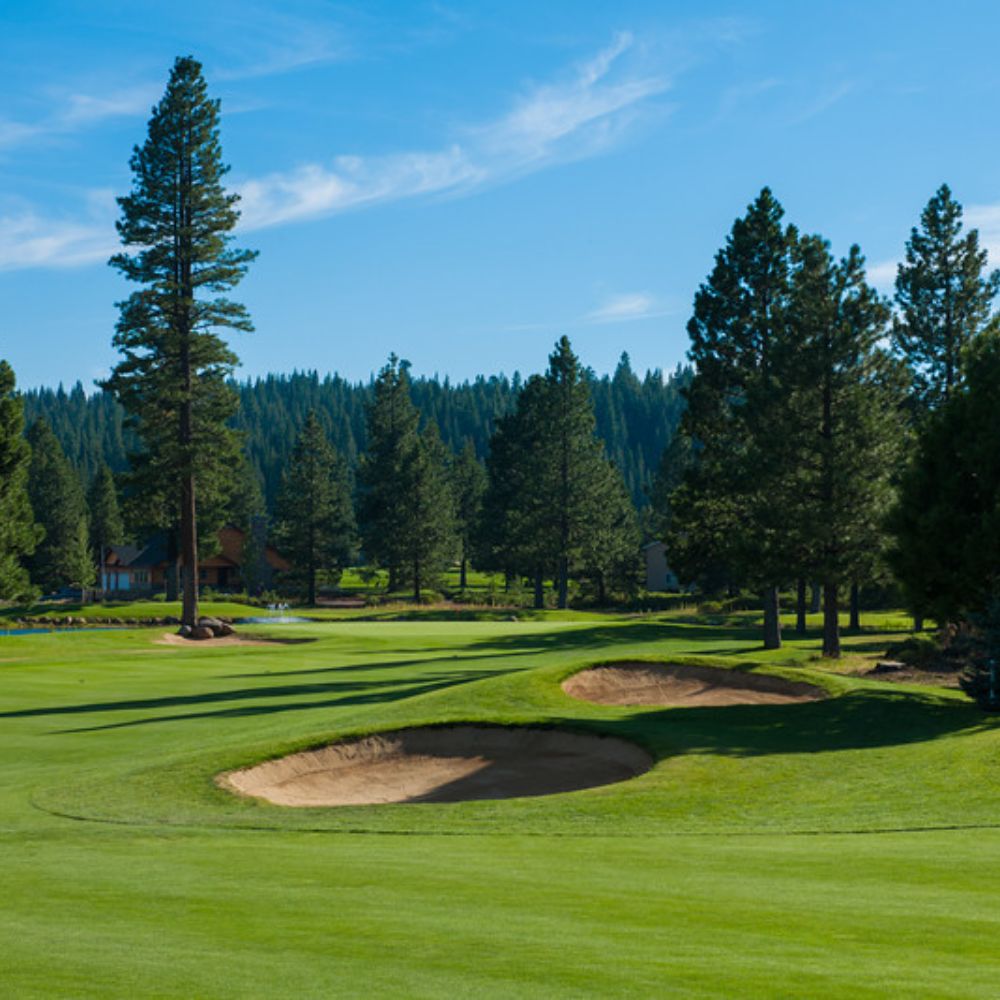
At Bailey Creek, Flint leaned into the property rather than forcing a design onto it. Fairways follow the existing movement of the land, greens sit naturally within their surroundings, and each hole presents a clear visual with subtle challenges. His style avoids excess shaping and instead highlights the landscape, creating holes that feel distinct without being disconnected from one another.

Bailey Creek reflects the full arc of his career. Elements from past projects show up in small ways, though nothing feels repeated. The result is a course that balances challenge with playability, where strong players find options and everyday players find enjoyment. That balance stands as one of Flint’s defining traits, and one of Bailey Creek’s greatest strengths.

World-Class Golf

Art Strain, stepson of Homer Flint, played a central role in bringing Bailey Creek to life on the ground. Known throughout the industry as an elite golf course shaper, Strain built his reputation through precision work and a deep understanding of how design translates into play.

He has worked alongside leading architects, including Tom Fazio, contributing to projects where shaping and detail define the final product. His strength lies in turning a vision into something tangible, using the land to create flow, strategy, and visual appeal without overworking the natural setting.

At Bailey Creek, Strain’s impact is evident across the entire course. He moved more than 500,000 cubic yards of earth during construction, carefully sculpting fairways, greens, and bunkering to match Flint’s design intent. Every contour, from subtle green complexes to the broader movement of the holes, reflects his hands-on craftsmanship.

The result is a course that feels both natural and intentional. Strain’s shaping work gives Bailey Creek its character, blending seamlessly with the surrounding terrain while delivering definition and playability on every hole.

DSC0976 L (1) (1)